
 ENG
ENG
 ARA
ARA
 FRA
FRA
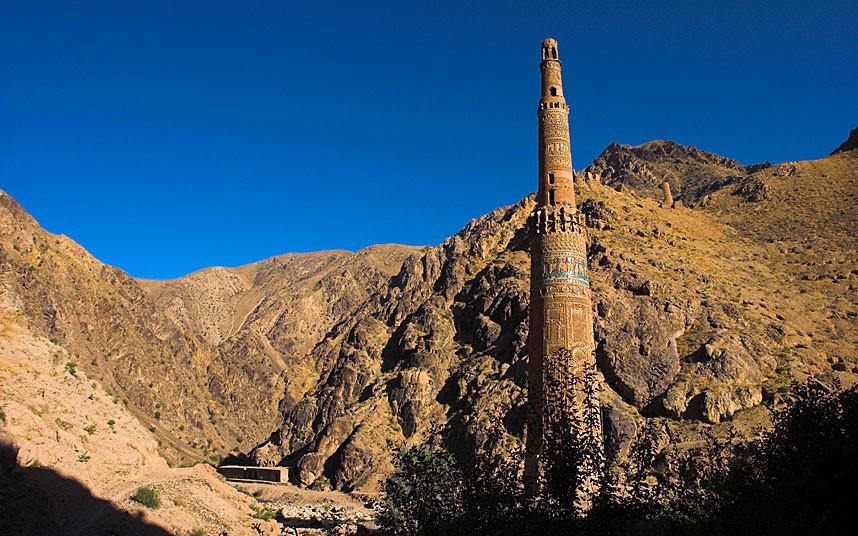
Ghor is a region of rich history and diverse culture, featuring ancient sites, stunning natural landscapes, traditional music, flavorful cuisine, intricate carpets, and welcoming communities. It offers an unforgettable experience for travelers seeking history, culture, adventure, and genuine Afghan hospitality. Situated in a mountainous and fertile area with rivers and valleys, Ghor is ideal for history buffs, cultural explorers, nature enthusiasts, and family vacations.
The major tourist attractions of Ghor include its historic forts, ancient ruins, and traditional Afghan houses that showcase the rich cultural heritage of the region. While Ghor may not boast large royal palaces like some other provinces, its impressive Islamic architecture—especially visible in local mosques and shrines—along with bustling bazaars and historic sites, offer visitors a unique cultural experience. Tourists can explore ancient fortifications and spiritual sites that highlight Ghor’s historical significance. For culture enthusiasts, Ghor hosts vibrant festivals and fairs that celebrate Afghan traditions. The lively Nowruz celebrations welcome spring with music, dance, and colorful gatherings. Traditional weddings and religious festivals such as Eid display rich customs, folk dances like the Attan, and melodious local music. Visitors can also experience local markets and livestock fairs that embody the region’s deep connection to nomadic and rural Afghan heritage. For culture enthusiasts, Badghis hosts vibrant festivals and fairs that celebrate Afghan traditions. The lively Nowruz celebrations welcome spring with music, dance, and colorful gatherings. Traditional weddings and religious festivals such as Eid display rich customs, folk dances like the Attan, and melodious local music. Visitors can also experience local markets and livestock fairs that embody the region’s deep connection to nomadic and rural Afghan heritage.
Afghanistan, with its majestic mountains and rugged landscapes, offers incredible opportunities for wildlife tourism. The country is home to rare and endangered species such as the elusive snow leopard, Marco Polo sheep, ibex, and bears. National parks like Band-e Amir — Afghanistan’s first national park — provide stunning natural beauty and habitat for diverse flora and fauna. For birdwatchers, Afghanistan hosts a variety of migratory and native bird species in its lakes and wetlands, including cranes and eagles. Though Ghor is a region known for its natural beauty and cultural richness, it also serves as a gateway to breathtaking natural reserves where nature lovers can explore untouched wilderness and witness Afghanistan’s rich biodiversity.
Shopping for authentic handicrafts is an essential part of experiencing Afghan culture. Ghor is known for its exquisite handmade carpets and rugs, vibrant embroidered textiles, and finely crafted jewelry featuring precious stones like lapis lazuli and turquoise. Afghanistan’s miniature paintings, influenced by Persian and Mughal styles, display intricate artistry and are treasured collectibles. Visitors can also find beautiful pottery, traditional leather goods, and musical instruments such as the rubab, which reflect the country’s rich cultural heritage. Markets in Ghor and nearby regions offer a vibrant shopping experience where travelers can find unique souvenirs and authentic Afghan crafts to take home. For a broader selection, many also visit Kabul’s famous Chicken Street, renowned for its wide array of traditional Afghan crafts.
Influenced by centuries of cultural exchange and Afghanistan’s diverse geography, Afghan cuisine offers a unique and flavorful experience. From the national dish Kabuli Pulao — a fragrant rice dish with raisins, carrots, and lamb — to delicious street snacks like mantu (steamed dumplings), Afghan food delights every palate. Enjoy a variety of breads such as naan and bolani, paired with rich stews and kebabs made from lamb, beef, and chicken. Side dishes like yogurt, fresh herbs, and flavorful chutneys perfectly complement the meals. And for those with a sweet tooth, traditional desserts such as baklava, firni, and sheer khurma offer a delightful end to any meal.
For luxury holidays, Ghor offers a selection of elegant hotels and heritage guesthouses that combine modern comforts with authentic Afghan hospitality. While there may not be royal trains, travelers can enjoy luxurious stays in hotels featuring traditional Afghan décor, warm hospitality, and exquisite local cuisine. Many heritage buildings and historic sites have been restored to provide unique accommodations that reflect Afghanistan’s rich history and culture. From beautifully crafted interiors adorned with intricate woodwork and carpets to manicured gardens and serene courtyards, these venues offer guests an immersive experience of Afghan royalty and tradition. A luxury stay in Ghor promises comfort, cultural richness, and a warm welcome that makes every guest feel like royalty.
Afghanistan offers a variety of thrilling adventure tourism activities amidst its stunning mountainous landscapes. Near Ghor, and in regions like the Panjshir Valley and Band-e Amir, visitors can enjoy hiking, mountain biking, and rock climbing. For adrenaline seekers, paragliding over the Hindu Kush mountains provides breathtaking views. River rafting and horseback riding are also popular activities. Though camel safaris are uncommon in Ghor, other regions offer unique opportunities to explore Afghanistan’s diverse terrains. Whether you seek peaceful treks or thrilling outdoor sports, Afghanistan is a growing destination for adventure lovers.
Ghor is a region deeply rooted in spirituality, with numerous mosques, shrines, and religious sites that hold great significance for its people. The area is home to important places of worship visited by Muslims, including historic mosques and shrines that reflect rich Islamic architecture and centuries-old traditions. Though Ghor is primarily Islamic, its religious sites emphasize hospitality, peace, and devotion, welcoming visitors from different backgrounds. The spiritual heritage of Ghor is also reflected in its traditional madrasas, beautiful calligraphy, and peaceful gardens attached to religious complexes, offering a serene environment for contemplation and prayer. Whether you seek to explore majestic mosques, experience vibrant religious festivals like Eid, or simply absorb the spiritual atmosphere, Ghor offers a rich tapestry of faith and culture.
Firuzkoh Citadel — The ancient fortress ruins near Chaghcharan, the provincial capital of Ghor.
Ghor Friday Mosque (Masjid Jami) — Known for its traditional Islamic architecture.
Shrine of Sheikh Ali ibn Fath al-Ghuri — Revered Sufi shrine attracting pilgrims from the region.
Medieval Ruins of Ghor — Remains of ancient settlements showcasing Ghor’s historical significance.
Ghor Bazaar — Traditional market for local crafts, carpets, and produce.
Ghor Museum — Exhibiting artifacts and the heritage of the region.
Minarets of Ghor — Ancient towers reflecting the region’s historical architecture.
Jawand Hot Springs — Natural springs known for their relaxing properties.
Shahr-e Zuhak Fortress — An ancient fortress offering panoramic views of the surrounding landscapes.
Chakari Mosque — Historic mosque notable for its unique architecture.
The best time to visit Ghor is from April to June and September to October, when the weather is mild and pleasant. During these months, you can comfortably explore the province’s cultural sites, enjoy outdoor activities, and experience local festivals without the extreme heat of summer or the cold of winter.
| Region | Central Afghanistan |
|---|---|
| Capital of Province | Chaghcharan (also called Firuzkoh) |
| Coordinates | 34.5167° N, 65.2500° E |
| Estimated Population | Approximately 700,000 (2021 estimate) |
| Geographical Area | Extensive mountainous and valley regions |
| Districts in Ghor Province | Several districts including Chaghcharan, Lal Wa Sarjangal, Dawlat Yar, and others |
| Major Religions | Islam (primarily Sunni), small Shia minority |
| Ethnic Groups | Hazara, Tajik, Pashtun, and others |
| Languages Spoken | Dari (Persian), Pashto, Hazaragi |
| City Animal Symbol | Snow Leopard (symbolic of Afghan mountains) |
| City Flower | Wild Rose (native to the region’s valleys and hills) |
| City Bird | Lammergeier (Bearded Vulture) (commonly found in mountainous regions) |
| City Tree | Pine and Oak trees (found in surrounding mountainous areas) |
| Traditional Dance | Attan (popular Pashtun and Hazara folk dance) |
| Popular Sports | Buzkashi (traditional horse game), Volleyball |
| Major Tourist Areas | Firuzkoh Citadel, Ghor Friday Mosque, Shrine of Sheikh Ali ibn Fath al-Ghuri, Ghor Bazaar |
| Major Attractions | Historic forts, Mosques, Museums, Traditional bazaars, Cultural festivals, Medieval-era architecture |
Months: March to May
Temperature: 5°C to 20°C
Spring is one of the best times to visit Ghor. The province blooms with wildflowers, and the weather is cool and refreshing — perfect for sightseeing and outdoor exploration.
Months: June to August
Temperature: 15°C to 30°C
Summers in Ghor are warm but more moderate due to the high altitude. Morning and evening are best for outdoor activities and exploring the natural beauty.
Months: September to November
Temperature: 5°C to 18°C
Autumn is a beautiful time to visit Ghor. The foliage turns golden and red, creating scenic landscapes perfect for walking tours and cultural visits.
No tourist attractions found in this province.
Ghor International Airport connects the region with domestic flights to major Afghan cities. International connectivity is limited.
Ghor is accessible by road from cities like Kabul and Herat via highways and rural roads. Travel times may vary based on road conditions.
Ghor currently has no passenger train service. Train connectivity is limited and primarily used for freight transport in nearby regions.
The best time to visit Ghor is during spring (March to May) and autumn (September to November), when the weather is mild and ideal for outdoor activities.
You can reach Ghor by air through Ghor International Airport or by road from major Afghan cities like Kabul and Herat, depending on travel conditions.
Notable sites include Ghor Citadel, historic mosques, local bazaars, and the beautiful natural landscapes surrounding the province.
Security conditions can vary. Always check the latest travel advisories and consult with local authorities or embassies before planning your trip to Ghor.
The local currency in Ghor is the Afghan Afghani (AFN).
Yes, most visitors require a visa to enter Afghanistan. Check with the nearest Afghan embassy or consulate for updated visa requirements.
The primary languages spoken in Ghor are Dari and Pashto. English may be understood in some urban areas.
Modest clothing is recommended. Men should wear long pants and sleeves; women should cover their hair and wear loose-fitting attire.
Ghor's cuisine includes traditional Afghan dishes such as kabuli pulao, kebabs, mantu (dumplings), and sweet pastries, often enjoyed with green tea.
Ghor offers a variety of accommodations to suit different budgets and preferences. Whether you're a budget traveler or seeking a luxury experience, you'll find suitable lodging across the city. From standard hotels to boutique guesthouses, serviced apartments, and modest hostels, Ghor has something for everyone.
Major areas like the city center, near the Ghor Citadel, and surrounding neighborhoods host many of the city's accommodations. Security is an important consideration when choosing where to stay, and many reputable hotels offer guarded premises and transportation services.
For bookings, it is advised to use trusted local travel services or contact hotels directly to inquire about the latest availability and prices. Personal recommendations and local agencies can also help ensure a comfortable and safe stay in Ghor.
Ghor offers a unique cultural and historical experience for travelers. Tourists can explore ancient landmarks such as the Ghor Citadel, the historic Friday Mosque, and museums showcasing Afghanistan's rich heritage.
A stroll through the Ghor Bazaar provides an opportunity for shopping Afghan carpets, handicrafts, gemstones, and traditional souvenirs. Food lovers can indulge in local Afghan cuisine like Kabuli Pulao, kebabs, and Bolani at authentic restaurants.
Visitors can also enjoy peaceful walks along the Hari River, hike nearby hills for panoramic views, or visit local mosques with unique Islamic architecture.
For a deeper cultural experience, travelers can attend traditional music performances or engage with local artisans. Photography, historical exploration, and cultural interaction remain some of the most fulfilling activities in Ghor.
If you cannot find answer to your question in our FAQ, you can always contact us. We will answer you shortly!