
 ENG
ENG
 ARA
ARA
 FRA
FRA
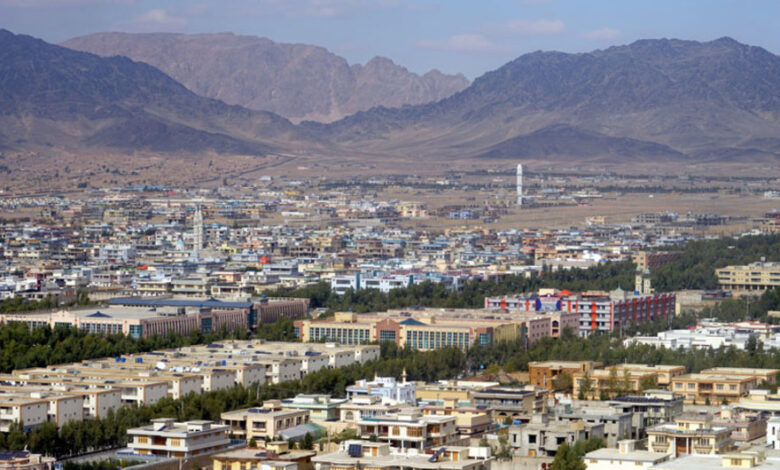
Kandahar is a city of profound historical significance and cultural richness, known as the traditional heartland of the Pashtun people. From the ancient bazaars to the surrounding orchards, Kandahar offers visitors an authentic Afghan experience.
Kandahar is home to several important Islamic architectural sites. The Shrine of the Cloak houses a relic believed to be the cloak of Prophet Muhammad. The Friday Mosque (Masjid Jame) showcases traditional Islamic architecture, while the Mausoleum of Ahmad Shah Durrani honors Afghanistan's founding father. The old city features traditional mud-brick homes and narrow alleyways that have stood for centuries.
Kandahar is the cultural center of Pashtun traditions. The city celebrates Nowruz with family gatherings and visits to local shrines. Traditional Pashtun hospitality is legendary, with guests treated to elaborate meals featuring Kandahari naan, roast lamb, and fresh pomegranates. The city is also known for its distinctive embroidery and handicrafts.
The lush Arghandab Valley surrounding Kandahar is famous for its pomegranate and grape orchards. Visitors can enjoy walks through the fruit gardens, especially beautiful during harvest season. The valley also offers scenic views of the Hindu Kush mountains and opportunities for picnics along the Arghandab River.
Kandahar's bazaars are famous for high-quality pomegranates, grapes, and melons. The city is also known for its traditional handicrafts including intricate embroidery (khamak), leather goods, and copperware. The Shah Bazaar and Herat Bazaar are excellent places to find authentic Kandahari products.
Kandahar's cuisine is renowned throughout Afghanistan. Kandahari naan (large, oblong bread) is a specialty, as is roast lamb (shinwari) and various rice dishes. The city is particularly famous for its pomegranates which are used in both sweet and savory dishes. Meals are often accompanied by green tea and fresh yogurt.
While Kandahar doesn't have luxury resorts, visitors can experience authentic Pashtun hospitality in local guesthouses. These accommodations offer simple but comfortable rooms, home-cooked meals, and the chance to experience traditional Kandahari lifestyle firsthand.
Kandahar offers visitors the chance to explore important historical sites including the Shrine of the Cloak, the Mausoleum of Ahmad Shah Durrani, and the ancient Chilzina rock chambers. The city's old quarter features traditional architecture and bustling bazaars that have changed little over the centuries.
Kandahar is home to several important Islamic sites that attract pilgrims from across Afghanistan. The Friday Mosque is particularly beautiful, while the Shrine of the Cloak is one of Afghanistan's most sacred sites. Religious festivals are celebrated with great devotion in Kandahar.
Shrine of the Cloak — Houses a relic believed to be the cloak of Prophet Muhammad.
Mausoleum of Ahmad Shah Durrani — Tomb of Afghanistan's founding father.
Chilzina — Ancient rock chambers with inscriptions from the Mughal era.
Arghandab Valley — Lush orchards and scenic landscapes.
Friday Mosque (Masjid Jame) — Kandahar's most important mosque.
Shah Bazaar — Traditional market selling fruits, spices and handicrafts.
Herat Bazaar — Famous for Kandahari embroidery and textiles.
Baba Wali Shrine — Popular pilgrimage site in Arghandab Valley.
Kandahar Museum — Showcases artifacts from the region's rich history.
Pomegranate Orchards — Visit during harvest season (September-October).
The best time to visit Kandahar is from October to April when temperatures are milder. Spring (March-April) is particularly beautiful when the orchards are in bloom. Summers can be extremely hot, with temperatures often exceeding 40°C (104°F).
| Region | Southern Afghanistan |
|---|---|
| Capital of Province | Kandahar City |
| Coordinates | 31.6288° N, 65.7372° E |
| Estimated Population | Approximately 1.2 million (2021 estimate) |
| Geographical Area | About 54,022 square kilometers |
| Districts in Kandahar Province | 16 districts |
| Major Religions | Islam (primarily Sunni) |
| Ethnic Groups | Predominantly Pashtun, with Tajik and Hazara minorities |
| Languages Spoken | Pashto (primary), Dari |
| Province Animal Symbol | Afghan Hound |
| Province Flower | Pomegranate Blossom |
| Province Bird | Falcon |
| Province Tree | Pomegranate |
| Traditional Dance | Attan (Pashtun folk dance) |
| Popular Sports | Buzkashi, Cricket |
| Major Tourist Areas | Shrine of the Cloak, Arghandab Valley, Chilzina, local bazaars |
| Major Attractions | Historic sites, pomegranate orchards, traditional bazaars, Islamic architecture |
Months: March to May
Temperature: 15°C to 30°C
Spring brings pleasant weather and blooming orchards, making it ideal for visiting historical sites and enjoying outdoor activities.
Months: October to November
Temperature: 18°C to 32°C
Autumn offers comfortable temperatures and the pomegranate harvest season, with colorful markets and cultural events.
Months: December to February
Temperature: 5°C to 18°C
Winters are mild with cool evenings, perfect for exploring the city's indoor attractions and historical sites.
No tourist attractions found in this province.
Kandahar International Airport connects the city with domestic flights to Kabul and some international destinations in the region.
Kandahar is connected to other major cities via the Ring Road. The journey from Kabul takes about 8-10 hours depending on security conditions.
Kandahar currently has no train services; air and road travel are the main options for reaching the city.
The best time to visit Kandahar is from October to April when temperatures are milder. Spring (March-April) is particularly pleasant.
You can reach Kandahar by air through Kandahar International Airport or by road via the Ring Road from Kabul or other major cities.
Popular sites include the Shrine of the Cloak, Mausoleum of Ahmad Shah Durrani, Chilzina rock chambers, and the Arghandab Valley.
Security conditions in Kandahar can vary. It's essential to check current travel advisories and consult with local authorities before visiting.
The local currency in Kandahar is the Afghan Afghani (AFN).
Yes, most foreign nationals require a visa to enter Afghanistan. Check with the Afghan embassy or consulate in your country for requirements.
The main language spoken in Kandahar is Pashto, though many people also understand Dari. English is not widely spoken.
Kandahar is conservative. Men should wear long pants and shirts, while women should wear loose clothing that covers arms and legs, plus a headscarf.
Kandahar is famous for its Kandahari naan (large flatbread), roast lamb (shinwari), and fresh pomegranates. Traditional meals often include rice dishes and kebabs.
Credit cards are rarely accepted. It's recommended to carry cash in Afghan Afghani for all transactions.
If you cannot find answer to your question in our FAQ, you can always contact us. We will answer you shortly!