
 ENG
ENG
 ARA
ARA
 FRA
FRA
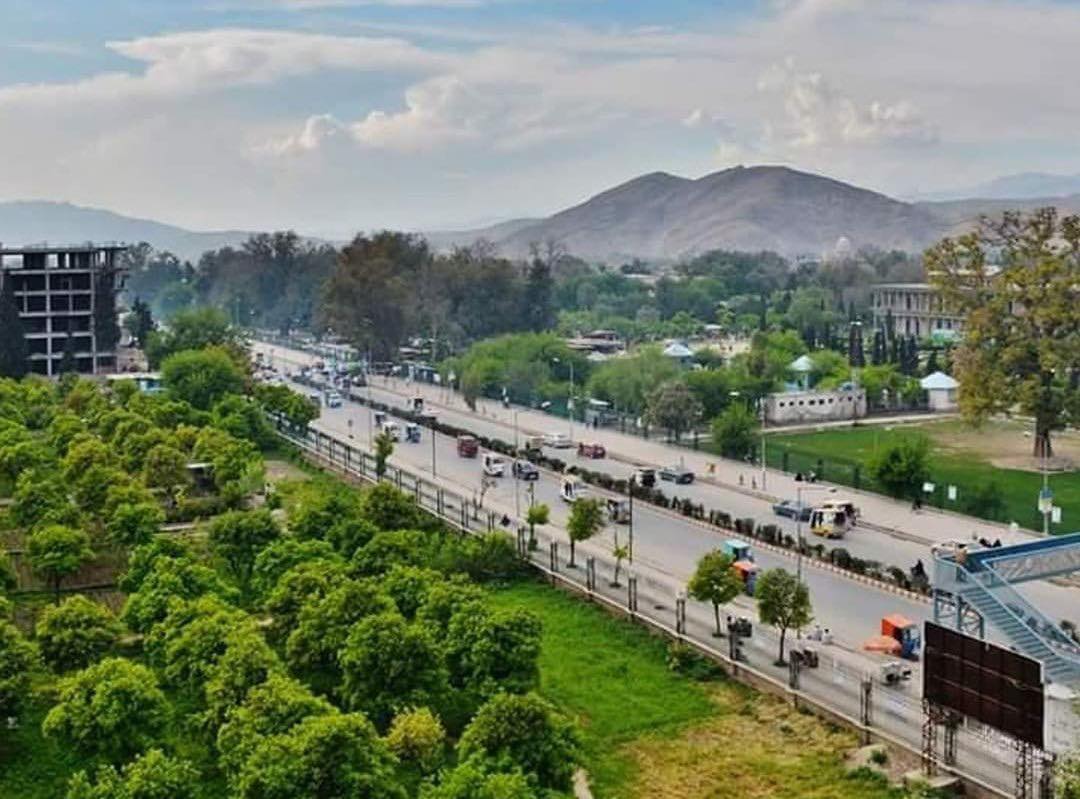
Nangarhar is a province known for its natural beauty, historical depth, and rich Pashtun culture. Surrounded by scenic valleys and the flowing Kabul River, it features lush green landscapes, traditional music, hospitable people, and delicious local cuisine. The province offers a unique experience for travelers interested in nature, cultural heritage, adventure, and authentic Afghan warmth. With iconic places like Jalalabad city and nearby river spots, Nangarhar is perfect for nature lovers, cultural explorers, and family trips..
Nangarhar boasts a blend of ancient structures, elegant mosques, and traditional Pashtun architecture. Key attractions include the historic Darunta area, old forts in the Hesarak and Khogyani regions, and beautiful mosques such as the Abdul Rahman Mosque in Jalalabad. Traditional homes built with mud and wood reflect the simplicity and strength of local culture. While Nangarhar may not have towering palaces, its Islamic architecture, vibrant local bazaars, and serene gardens like Bibi Mahro Garden offer visitors a culturally immersive experience. The province’s shrines and spiritual sites also highlight its deep-rooted heritage and religious significance.
For culture lovers, Nangarhar offers a vivid tapestry of Pashtun traditions and lively celebrations. Events like Nowruz and Eid are celebrated with energetic Attan dances, folk songs, and colorful family gatherings. Traditional Pashto music echoes through wedding ceremonies, and local horse riding events in rural districts reflect the province’s deep tribal and nomadic heritage. The bustling Jalalabad markets are filled with vibrant fabrics, handcrafted goods, and the aroma of local delicacies, offering a true taste of Nangarhar’s cultural spirit.
Nangarhar, with its fertile valleys, rolling hills, and the flowing Kabul River, offers nature lovers a refreshing escape into Afghanistan’s rich natural beauty. While not mountainous like central Afghanistan, Nangarhar is home to diverse wildlife, including foxes, wild goats, porcupines, and various reptiles and birds. Areas around the Darunta and Tora Bora regions provide hiking opportunities and breathtaking views. Birdwatchers will enjoy spotting native and migratory birds near the wetlands and riverbanks. With its pleasant climate, green landscapes, and easy access from Jalalabad, Nangarhar is a hidden gem for eco-tourism and peaceful outdoor adventures.
Shopping in Nangarhar is a delightful way to connect with Pashtun craftsmanship and local culture. The province is known for its colorful embroidered clothing, handwoven shawls, and traditional jewelry often adorned with local stones. In Jalalabad’s bustling bazaars, visitors can explore shops filled with handmade rugs, wooden carvings, leather sandals (chaplai), and traditional Pashto hats (pakol). Local artisans also produce musical instruments like the rubab, reflecting Nangarhar’s cultural pride. Whether you're walking through Shahi Market or street stalls in rural towns, you’ll find a wide array of authentic Afghan souvenirs full of color, tradition, and artistry.
Nangarhar’s cuisine is a flavorful reflection of its Pashtun roots and fertile land. The province is famous for Jalalabadi kebabs, marinated and grilled to perfection, often served with naan and chutney. Other popular dishes include bolani (stuffed flatbread), shorwa (hearty meat and vegetable stew), and rice dishes rich with local spices and herbs. Street vendors offer delights like samosas and mantu (steamed dumplings), while rural homes often prepare homemade yogurt, pickles, and fresh herbs to complement the meal. For dessert, locals enjoy firni, sweet rice, and dry fruit mixes, providing a sweet and satisfying end to every feast. Nangarhar’s food is not just a meal — it’s a cultural experience.
For a luxurious getaway with a cultural touch, Nangarhar offers a range of comfortable hotels and traditional guesthouses, especially in Jalalabad, the province’s vibrant capital. While it may not have grand palaces, many accommodations blend modern amenities with classic Pashtun hospitality, featuring traditional décor, handwoven carpets, and beautifully landscaped courtyards. Some guesthouses are set in historic buildings with serene gardens and authentic architectural details, providing guests with an immersive cultural experience. With the aroma of local cuisine, the charm of Pashtun traditions, and the warmth of its people, Nangarhar invites visitors to experience Afghan hospitality at its finest — where every guest is treated like family.
Afghanistan offers a variety of thrilling adventure tourism activities amidst its stunning mountainous landscapes. Near Kabul, and in regions like the Panjshir Valley and Band-e Amir, visitors can enjoy hiking, mountain biking, and rock climbing. For adrenaline seekers, paragliding over the Hindu Kush mountains provides breathtaking views. River rafting and horseback riding are also popular activities. Though camel safaris are uncommon in Kabul, other regions offer unique opportunities to explore Afghanistan’s diverse terrains. Whether you seek peaceful treks or thrilling outdoor sports, Afghanistan is a growing destination for adventure lovers.
Nangarhar is a province rich in spiritual heritage, with numerous mosques, shrines, and sacred sites that hold great importance for its people. Jalalabad, the provincial capital, is home to beautiful mosques such as the Abdul Rahman Mosque and the historic Masjid-e-Jami, each showcasing exquisite Islamic architecture and centuries-old traditions. Nearby shrines like Shrine of Khwaja Gharib Nawaz attract pilgrims from across the region, reflecting the province’s deep spiritual roots. Nangarhar’s religious sites embody values of hospitality, peace, and devotion, warmly welcoming visitors of all backgrounds. The province also boasts ancient madrasas and peaceful gardens attached to religious complexes, providing tranquil spaces for reflection and prayer. Whether you want to visit majestic mosques, participate in vibrant religious festivals like Eid, or simply soak in the serene spiritual atmosphere, Nangarhar offers a rich blend of faith and culture.
Darunta Dam and Reservoir — Scenic area offering water sports and picnics.
Jalalabad Grand Mosque (Abdul Rahman Mosque) — Stunning Islamic architecture and a spiritual hub.
Shahi Garden — Beautiful historical gardens perfect for relaxation.
Tora Bora Mountains — Rugged mountain range known for hiking and history.
Khwaja Gharib Nawaz Shrine — Revered spiritual site attracting pilgrims.
Shahi Market — Bustling market filled with traditional crafts and local goods.
Darul Uloom Mosque — Historic mosque with intricate architecture.
Jalalabad Museum — Showcasing the rich history and culture of Nangarhar.
Rodat Hot Springs — Natural hot springs known for relaxation and healing properties.
Gandhara Archaeological Sites — Ancient ruins reflecting the region’s historical significance.
The best time to visit Nangarhar is from March to May and September to November, when the weather is mild and pleasant. During these months, you can comfortably explore the province’s natural landscapes, cultural sites, and enjoy local festivals without the intense heat of summer or the cold of winter.
| Region | Eastern Afghanistan |
|---|---|
| Capital of Province | Jalalabad |
| Coordinates | 34.4349° N, 70.4479° E |
| Estimated Population | Approximately 1.6 million (2021 estimate) |
| Geographical Area | About 7,727 square kilometers |
| Districts | 22 districts |
| Major Religions | Islam (primarily Sunni), small Shia minority |
| Ethnic Groups | Pashtun (majority), small populations of Tajik and others |
| Languages Spoken | Pashto, Dari (Persian), Urdu, English |
| Province Animal Symbol | Snow Leopard (found in nearby mountain areas) |
| Province Flower | Wild Tulip and Narcissus |
| Province Bird | Chukar Partridge (regional bird) |
| Province Tree | Wild Pistachio and Cypress |
| Traditional Dance | Attan (Pashtun folk dance) |
| Popular Sports | Buzkashi, Football, Volleyball |
| Major Tourist Areas | Darunta Dam, Shahi Garden, Tora Bora Mountains, Jalalabad Grand Mosque, Shahi Market |
| Major Attractions | Historic sites, Natural springs, Religious shrines, Local bazaars, Traditional crafts |
Months: March to May
Temperature: 15°C to 30°C
Spring in Nangarhar brings pleasant weather and blooming landscapes. It’s an ideal time for outdoor activities, exploring cultural sites, and enjoying nature.
Months: June to August
Temperature: 25°C to 40°C
Summers in Nangarhar can be quite hot and dry. Morning and evening hours are best for sightseeing and outdoor adventures, while midday is better for indoor activities or rest.
Months: September to November
Temperature: 15°C to 28°C
Autumn offers cooler temperatures and beautiful scenery as the region prepares for winter. This season is great for hiking, cultural tours, and attending local festivals.
No tourist attractions found in this province.
The nearest airport to Nangarhar is Jalalabad Airport, which handles limited domestic flights. Most travelers arrive via Kabul International Airport, then continue the journey by road.
Nangarhar is well-connected by road, especially from Kabul. The Kabul–Jalalabad highway is a common route, offering scenic views through mountain passes. Travel time is around 2–3 hours, depending on traffic and road conditions.
There are currently no direct train services to Nangarhar. Travelers usually rely on air and road transport.
Spring (March to May) and autumn (September to November) are the best times to visit Nangarhar due to pleasant temperatures and lush scenery.
Nangarhar can be reached by road from Kabul via the Kabul–Jalalabad highway. There is also a small airport in Jalalabad, mainly for domestic flights.
Famous attractions include Darunta Dam, Spinghar Mountains, Nangarhar Cricket Stadium, and the vibrant bazaars of Jalalabad.
Safety varies by district and situation. Travelers should consult local authorities and monitor current travel advisories before visiting.
The Afghan Afghani (AFN) is the official currency used throughout Nangarhar Province.
Yes, a valid Afghan visa is required for most foreign travelers. Contact your local Afghan embassy for specific requirements.
Pashto is the dominant language in Nangarhar, though many people also speak Dari. English is limited to urban areas.
It’s recommended to dress modestly. Men should wear long pants and sleeves; women should cover their hair and wear loose-fitting clothing.
Nangarhar is known for fresh fruits, kebabs, traditional rice dishes, and Afghan bread. Jalalabad also offers popular street food and green tea.
Credit card usage is very limited. It is recommended to carry cash in Afghan Afghani for most purchases and services.
Nangarhar, particularly the city of Jalalabad, offers several accommodations for travelers ranging from basic lodges to comfortable guesthouses. While luxury hotels are limited, clean and secure mid-range options are available.
Most hotels are located in the central areas of Jalalabad city such as Behsud Bridge Road and around the main bazaars. These areas are easily accessible and provide basic facilities, Wi-Fi, and local dining options.
It is recommended to book accommodations through trusted local travel agents or directly by phone. Always confirm safety measures and facilities in advance before finalizing a stay.
Nangarhar offers a blend of natural beauty and traditional Afghan culture. Visitors can explore scenic sites such as the Spinghar Mountains, Darunta Dam, and stroll along the Kabul River.
Jalalabad is famous for its vibrant fruit markets, local street food, and traditional crafts. The city's cricket stadium is a hotspot for sports fans and hosts national-level matches.
Tourists can also enjoy cultural landmarks, mosques with unique eastern architecture, and local parks. A visit to rural areas offers insight into Pashtun traditions and hospitality.
Interaction with locals, traditional cuisine, and photographing natural scenery are among the most rewarding experiences in Nangarhar.
If you cannot find an answer to your question in our FAQ, you can always contact us. We will answer you shortly!