
 ENG
ENG
 ARA
ARA
 FRA
FRA
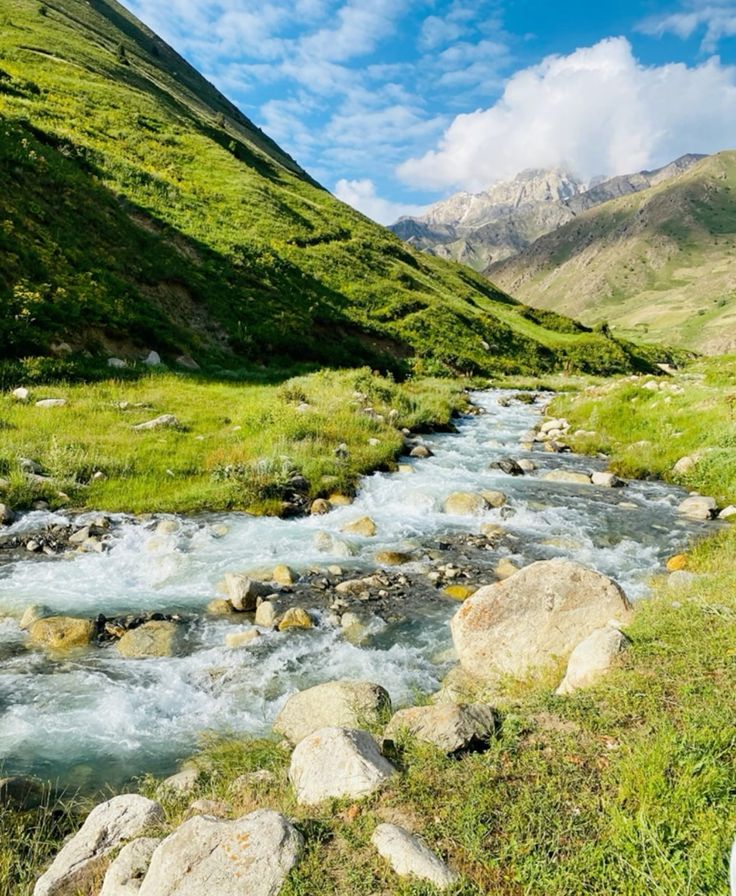
Takhar is a province of natural beauty and cultural heritage, featuring lush valleys, ancient sites, traditional music, vibrant local crafts, and warm, welcoming communities. It offers travelers a unique experience combining history, culture, and scenic nature. Nestled in northeastern Afghanistan, Takhar is ideal for nature lovers, history enthusiasts, and those seeking an authentic rural Afghan atmosphere.
Key attractions in Takhar include historic sites like the Farkhar Mosque, remnants of ancient fortifications, and traditional houses that showcase the area's rich cultural fabric. Though less urbanized than major cities, Takhar’s architectural heritage reflects centuries-old Afghan traditions. Visitors can explore beautiful mosques and shrines that serve as spiritual and community centers throughout the province.
Takhar hosts vibrant local festivals where visitors can experience Afghan cultural traditions such as the Attan dance, traditional music performances, and colorful celebrations. Rural fairs and horse riding events showcase the province’s deep connection to its nomadic and agrarian roots. The warm hospitality of local communities enriches the cultural experience for travelers.
Takhar province boasts beautiful mountainous landscapes, fertile valleys, and rivers that support diverse wildlife. The region is home to various native species including birds, ibex, and wild goats. Nature lovers can enjoy hiking, bird watching, and exploring pristine natural reserves, discovering Afghanistan’s rich biodiversity away from urban centers.
Takhar offers unique handicrafts reflecting local artistry, such as handwoven carpets, embroidered textiles, and traditional jewelry featuring regional gemstones. Markets across the province provide opportunities to purchase authentic Afghan crafts including pottery, leather goods, and musical instruments that tell stories of local culture and heritage.
Takhar’s cuisine features delicious Afghan staples enriched with local flavors. Traditional dishes like pilaf with lamb and raisins, mantu (steamed dumplings), and hearty kebabs are widely enjoyed. Locally baked breads such as naan and bolani accompany rich stews and fresh herbs. Sweet treats like baklava and firni provide a delightful finish to meals. Guests often enjoy their food with green tea, reflecting Afghan hospitality.
Though more rural, Takhar offers comfortable guesthouses and small hotels that combine traditional Afghan hospitality with modern conveniences. Visitors experience welcoming communities and can find accommodations ranging from modest lodgings to homestays. Staying in Takhar provides an immersive cultural experience in a peaceful setting.
Takhar’s diverse terrain offers excellent opportunities for hiking, trekking, horseback riding, and exploring nature trails. The province’s scenic rivers and valleys invite outdoor enthusiasts to enjoy fishing and picnicking. Though adventure tourism is still developing, Takhar’s landscapes provide a perfect backdrop for memorable excursions and peaceful retreats.
Takhar is home to many important mosques, shrines, and religious sites that reflect the province’s spiritual life. Places like the historic Farkhar Mosque attract visitors and pilgrims alike. The local religious architecture showcases intricate Islamic art and calligraphy, while festivals such as Eid are celebrated with great devotion and community spirit. Visitors often find peace and inspiration in Takhar’s spiritual centers.
Farkhar Mosque — Historic mosque known for its beautiful Islamic architecture.
Rustaq Archaeological Site — Ancient ruins offering insight into Takhar’s rich history.
Takhar Provincial Museum — Showcasing local cultural heritage and artifacts.
Takhar Bazaar — Bustling local market with crafts, textiles, and traditional goods.
Band-e Amir (nearby) — Stunning natural lakes and national park area known for breathtaking landscapes.
Qala-e Zal — Ancient fortress ruins offering panoramic views of the region.
Chapa Dara Valley — Scenic valley popular for hiking and nature walks.
Takhar Provincial Park — Area with diverse wildlife and opportunities for outdoor adventure.
Takhar Cultural Center — Venue for local music, dance, and traditional arts.
Local Handicraft Workshops — Experience traditional carpet weaving and pottery making.
The best time to visit Takhar is from April to June and September to November, when the weather is pleasant and ideal for exploring the natural beauty and cultural sites. These months offer comfortable temperatures for outdoor activities like hiking and sightseeing without extreme heat or cold.
| Region | Northeastern Afghanistan |
|---|---|
| Capital of Province | Taloqan |
| Coordinates | 36.7367° N, 69.5387° E |
| Estimated Population | Approximately 1.1 million (2021 estimate) |
| Geographical Area | About 12,333 square kilometers (Takhar Province) |
| Districts in Takhar | 18 districts |
| Major Religions | Islam (primarily Sunni), small Shia communities |
| Ethnic Groups | Tajik, Uzbek, Pashtun, Hazara, and others |
| Languages Spoken | Dari (Persian), Pashto, Uzbek |
| Province Animal Symbol | Snow Leopard (symbolic of the surrounding mountains) |
| Province Flower | Wild Tulip (found in the valleys) |
| Province Bird | Golden Eagle (native to Takhar’s mountainous areas) |
| Province Tree | Pine and Walnut trees (common in forested zones) |
| Traditional Dance | Attan (popular regional folk dance) |
| Popular Sports | Football, Buzkashi (traditional horse game) |
| Major Tourist Areas | Farkhar Mosque, Rustaq Archaeological Site, Band-e Amir Lakes, Takhar Bazaar |
| Major Attractions | Historic sites, Natural parks, Cultural centers, Traditional markets, Mountain hiking |
Months: March to May
Temperature: 10°C to 22°C
Spring is one of the best times to visit Takhar. The landscape bursts with fresh greenery, making it ideal for sightseeing and outdoor activities.
Months: June to August
Temperature: 20°C to 34°C
Summers in Takhar can be warm but are generally dry. Morning and evening are best for exploring nature and historical sites.
Months: September to November
Temperature: 9°C to 21°C
Autumn brings pleasant weather and beautiful fall colors, perfect for trekking and cultural tours in Takhar.
No tourist attractions found in this province.
Takhar Airport connects the province with domestic destinations, with flights available to Kabul and other major cities.
Takhar is connected by highways to neighboring provinces. Road travel times vary based on weather and road conditions.
Currently, there are no train services to Takhar. Air and road remain the primary transport options.
The best time to visit Takhar is during spring (March to May) and autumn (September to November), when the weather is mild and pleasant.
You can reach Takhar by air through Takhar Airport, which connects to Kabul and other domestic cities. Road access is also available, though travel times depend on current conditions.
Popular sites include Farkhar Mosque, Rustaq Archaeological Site, Band-e Amir Lakes, and the Takhar Provincial Museum.
Safety conditions can vary. It is recommended to check with your local embassy and monitor travel advisories before visiting Takhar.
The local currency in Takhar, as throughout Afghanistan, is the Afghan Afghani (AFN).
Yes, most foreign nationals require a visa to enter Afghanistan. Please check with the Afghan embassy or consulate in your country for the latest requirements.
Dari and Pashto are the main languages spoken in Takhar. Many locals also understand basic English in urban areas.
Visitors are advised to dress conservatively. Men should wear long pants and shirts, while women should cover their hair and dress modestly.
Takhar cuisine features traditional Afghan dishes such as kabuli pulao, kebabs, mantu, and various breads, often served with green tea.
Credit cards are not widely accepted. It is advisable to carry cash in Afghan Afghani (AFN) for most transactions.
Takhar province offers a range of accommodation options, from simple guesthouses to mid-range hotels. The capital city, Taloqan, has the most choices for visitors, including family-run inns and a few hotels with modern amenities.
Security remains a key consideration, so it is recommended to stay in well-known establishments and arrange transportation through trusted local contacts or agencies.
Booking in advance is advised, especially during travel seasons. Local travel agents can assist with recommendations and help ensure a safe and comfortable stay in Takhar.
Takhar is known for its beautiful natural landscapes, including mountains, valleys, and rivers. Visitors can explore the historic city of Taloqan and nearby archaeological sites such as the ancient Buddhist stupa at Aybak.
The province offers opportunities for hiking and trekking in the surrounding hills and forests. Local markets feature traditional Afghan crafts, carpets, and fresh produce.
Visitors often enjoy cultural experiences by visiting local villages to learn about traditional life and handicrafts. Seasonal festivals and traditional music performances offer insight into the local culture.
Exploring the Kokcha River area and enjoying the serene rural environment is another popular activity for tourists in Takhar.
If you cannot find answer to your question in our FAQ, you can always contact us. We will answer you shortly!