 ENG
ENG
 ARA
ARA
 FRA
FRA
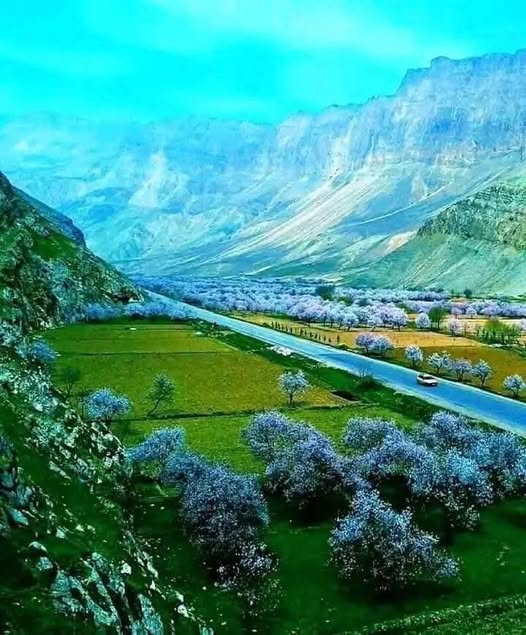
Balkh, one of the oldest cities in the world, is a treasure trove of history, spirituality, and cultural heritage. Known as the “Mother of Cities,” it boasts ancient ruins, sacred shrines, traditional crafts, and warm, welcoming locals. Balkh offers a unique journey for those interested in historical exploration, Sufi mysticism, natural beauty, and the authentic charm of Northern Afghanistan. Situated near the Amu Darya River and surrounded by fertile plains, it’s an ideal destination for cultural travelers, historians, and spiritual seekers.
Adding to Balkh’s already rich heritage of ancient monuments and sacred sites are newly developed tourist attractions that enhance the experience of visitors. One such highlight is the Balkh Heritage Park, a beautifully landscaped area featuring traditional Afghan architecture, a cultural exhibition center, and serene gardens inspired by Persian design. It also includes a Carpet & Handicrafts Pavilion, where visitors can watch local artisans at work and purchase handcrafted goods. Another exciting addition is the Northern Wildlife Reserve, located just outside the city of Mazar-i-Sharif. Known locally as “The Green Zone,” this open-concept park is home to a variety of native Afghan animals and birds. The reserve is designed to blend natural beauty with educational experiences. A special highlight is the Bird Sanctuary, which features more than 400 birds from 25 species, divided into two sections: native Afghan birds and regional migratory species. The sanctuary also includes over 20 types of native plants and grasses to create a natural habitat and provide food for the birds. Educational orientations are offered for both children and adults to encourage awareness of biodiversity and conservation. These new attractions are shaping Balkh into a must-visit destination for nature lovers, cultural explorers, and families.
Balkh is the birthplace of Mawlana Jalaluddin Balkhi, more widely known as Rumi, the world-renowned Sufi poet and philosopher. The province holds deep spiritual and cultural importance due to its connection with this iconic figure. Several historical and spiritual sites in Balkh allow visitors to walk in the footsteps of Rumi and experience the essence of his teachings. Key sites include the Ruins of Old Balkh, where Rumi spent his early years, and Rumi's Birthplace Complex, which is being preserved as a cultural heritage site. Another highlight is the Shrine of Ali in nearby Mazar-i-Sharif, where many pilgrims and spiritual seekers gather—echoing the themes of love, unity, and divine connection found in Rumi's works. There are plans to develop a "Rumi Spiritual Trail" that will guide visitors through key locations associated with his life and early influences. This trail will include local mosques, madrasas, Sufi centers, and storytelling spaces that reflect the spiritual legacy of Balkh.
Heritage enthusiasts will find Balkh to be a truly awe-inspiring destination. Known as one of the oldest cities in the world, Balkh is often referred to as the “Mother of Cities” due to its deep historical roots that span millennia. The province is home to numerous archaeological sites, ancient ruins, religious landmarks, and cultural relics that reflect its diverse past—from Zoroastrianism and Buddhism to Islam and Sufism. Visitors can explore the Ruins of Ancient Balkh, including remains of ancient walls, Buddhist stupas, and old fortresses. The Green Mosque (Masjid-i-Sabz) and No Gumbad Mosque (Nine Domes Mosque) are remarkable Islamic structures reflecting the region’s architectural elegance. One of the most spiritually significant sites is the Shrine of Rabia Balkhi, the first known female poet of the Persian language, whose story is deeply rooted in the region’s history. Balkh was also a major center of learning and spirituality, drawing scholars and poets from across the Islamic world. Balkh is a paradise for lovers of history and archaeology. Excavations in the region have uncovered artifacts that date back over 3,000 years, including items from the Greco-Bactrian, Kushan, and Islamic periods. These discoveries reveal a rich blend of cultures that once thrived in this land, connecting Balkh to the ancient Silk Road and making it a center of trade, religion, and knowledge. Planned heritage walks and guided tours through old city routes are in development, allowing visitors to immerse themselves in the timeless atmosphere of Balkh’s ancient streets.
One of the hidden treasures of Balkh is its rich and diverse natural landscape, home to a variety of native Afghan wildlife. The scenic beauty of Balkh province ranges from lush plains and river valleys to semi-arid highlands, offering habitats for many species of birds, mammals, and plant life. This unique environment attracts both nature lovers and eco-tourists looking to explore Afghanistan’s lesser-known natural wonders. While Balkh may not be home to lions like Gir in Gujarat, it boasts majestic creatures like markhors, ibex, wolves, foxes, and gazelles that roam its open landscapes and foothills. The region is also known for its impressive bird population, including hawks, partridges, cranes, and seasonal migratory birds that pass through the Amu Darya region. Plans are underway to develop protected zones such as the Balkh Wildlife Reserve, aimed at conserving endangered species and offering eco-tourism experiences. Visitors can enjoy nature walks, birdwatching, and learn about traditional conservation practices that local communities have followed for generations. With its blend of dry woodlands, fertile plains, and river-fed ecosystems, Balkh offers a peaceful retreat into nature—where wildlife thrives, and the connection between people and the land runs deep.
While Balkh is far from the sea, it offers a different kind of tranquility—peaceful landscapes, quiet gardens, riverbanks, and sacred sites that radiate calm and spiritual energy. These serene settings provide visitors with the same sense of stillness and reflection that many seek on beach vacations. Among these peaceful destinations is the Amu Darya River, whose banks offer relaxing views and quiet spaces for picnics, meditation, and nature walks. Not far from Mazar-i-Sharif, you’ll find lush green areas and rural retreats where time seems to slow down, and the hospitality of local villagers makes the experience unforgettable. Many of these natural spots are located near sacred shrines and mosques, such as the world-famous Blue Mosque (Shrine of Hazrat Ali) and the Khaja Abu Nasr Parsa Mosque, where visitors can feel both spiritual connection and historical awe. Balkh also offers unique ecological gems like salt flats, desert-like plains, and fruit orchards, especially near the spring-fed oases. These locations are perfect for quiet getaways, spiritual retreats, and cultural immersion. The best time to visit these peaceful corners of Balkh is from March to May and September to November, when the weather is mild, and the natural surroundings are at their most vibrant.
Birdwatching is a rewarding activity for nature lovers visiting Balkh. The province’s varied landscapes—ranging from river wetlands along the Amu Darya to open plains and orchards—create excellent habitats for many bird species, making Balkh a great spot for birding enthusiasts. Some popular birdwatching locations in Balkh include: Amu Darya Wetlands: A vital stopover for migratory birds with species such as cranes, herons, and storks. Kholm Valley: Known for its rich bird diversity and peaceful natural setting. Dehdadi Orchards and Fields: Ideal for spotting songbirds, partridges, and various raptors. Sholgara Plains: Wide open spaces attracting flocks of native and migratory birds. Though formal bird sanctuaries are still in development, Balkh offers abundant natural bird habitats that are accessible to visitors, making it an emerging destination for eco-tourism and birdwatching in Afghanistan.
While Balkh is not yet widely known for golf, the region is developing new opportunities for outdoor leisure and sports enthusiasts. Plans for establishing golf courses and sports clubs are underway to provide locals and tourists with relaxing and recreational experiences amidst Balkh’s beautiful landscapes. In the meantime, visitors can enjoy activities such as: Traditional Afghan horseback riding through the countryside and foothills Hiking and nature walks in scenic areas around Balkh city and the Amu Darya riverbanks Local sports events and cultural festivals that showcase Afghan games and traditions As tourism infrastructure grows, Balkh aims to welcome more modern leisure facilities, including golf and other sports venues, offering a unique blend of natural beauty and recreational activities.
Balkh is emerging as a peaceful destination for wellness and rejuvenation. With its serene landscapes, spiritual heritage, and traditional healing practices, it offers an ideal escape from modern-day stress. Visitors seeking wellness in Balkh can explore: Traditional Afghan healing practices, such as herbal medicine and natural remedies Relaxing hammams (public baths), offering a cultural and therapeutic experience Spiritual retreats in and around ancient shrines and Sufi lodges Quiet countryside getaways for meditation, yoga, and personal reflection As wellness tourism grows, Balkh plans to develop more eco-lodges, wellness centers, and holistic retreats, offering visitors a unique combination of Afghan culture and natural healing.
Green Mosque (Masjid Sabz) — A 15th-century Timurid marvel with stunning turquoise tiles and tomb of Khwaja Abu Nasr Parsa
No Gombad Mosque (Haji Piyada / Nine-Domes Mosque) — One of Afghanistan’s earliest Islamic structures (8th–9th century), notable for its nine domes
Bala Hisar Fortress (Citadel of Balkh) — Ancient fortifications with views over the ruins; dates back to Alexander the Great’s era .
Takht-e Rustam (Throne of Rostam) — A Hellenistic–Buddhist stupa carved into a hillside, symbolizing Balkh’s multi-faith heritage
Ruins of Ancient Balkh — Remnants of Bactrian walls, Zoroastrian fire temples, Buddhist monastery sites—echoes of millennia-old civilizations
Tomb of Rabia Balkhi — Mausoleum of Persia’s first-known female poet, set in peaceful gardens
Shrine of Hazrat Ali (“Blue Mosque”) — Pilgrimage site with magnificent blue-tiled dome, central to Nawroz celebrations in Mazar-i-Sharif
Zadian Minaret — An isolated 12th-century (or older) Seljuk-era minaret in Dawlatabad District
Naw Bahar (Nava Vihara Monastery) — Site of ancient Buddhist viharas dating from 2nd century CE, a key Silk Road religious center
Balkh Museum — Features artifacts spanning Achaemenid, Buddhist, Islamic eras; hosts rotating archaeological exhibits
Balkh experiences hot summers, so the ideal time to visit is during the cooler months from October to March. During this period, the weather is pleasant and comfortable, making it perfect for sightseeing and enjoying outdoor activities.
| Region | Central Afghanistan |
|---|---|
| Capital of Province | Mazar-i-Sharif |
| Coordinates | 36.7550° N, 67.8959° E |
| Total Population | Approximately 1,250,000 (estimate) |
| Geographical Area | About 17,800 sq km Districts: 15 |
| Districts | 15 |
| Major Religions | Islam (primarily Sunni), small Shia minority |
| Major Ethnic Groups | Tajiks, Uzbeks, Hazaras, Pashtuns, Turkmens |
| Languages Spoken | Dari, Pashto, Uzbek, Turkmen, Hazaragi Urdu, English |
| Provincial Animal | Markhor (wild goat native to the region) |
| City Flower | Wild Tulip |
| Provincial Bird | Golden Eagle |
| Provincial Tree | Pistachio Tree |
| Major Cities and Towns | Mazar-i-Sharif, Aqcha, Sholgara, Balkh City, Dawlatabad |
Months: June to August
Temperature: 30°C to 40°C,
Summers in Balkh last from June to August. Temperatures typically range between 30°C to 40°C, with hot and dry weather conditions.
Months: July to September
Temperature: 25°C to 35°C
Balkh experiences a very mild monsoon, mainly from July to September, with occasional rainfall. Temperatures during this time range from 25°C to 35°C.
Months: December to February
Temperature: -2°C
Winters in Balkh last from December to February. Temperatures can drop to as low as -2°C during nights and rise up to 15°C during the day. The weather is cold but clear, making it a good time for sightseeing.
No tourist attractions found in this province.
Mazar-i-Sharif Airport serves Balkh province with domestic and some international flights, connecting it to major cities.
Balkh is accessible by highways from other major cities in Afghanistan, with travel times varying based on road conditions.
Currently, Balkh does not have train services; air and road transport remain the primary travel options.
The best time to visit Balkh is during spring (March to May) and autumn (September to November), when the weather is mild and pleasant.
You can reach Balkh via Mazar-i-Sharif Airport which connects to several domestic and some international flights. Road travel is also common, with highways linking Balkh to other major cities.
Notable sites include the ancient city of Balkh, Shrine of Hazrat Ali, Blue Mosque, and nearby archaeological sites that showcase Afghanistan's rich history.
Security conditions can vary. It is recommended to check updated travel advisories and consult local authorities or embassies before traveling to Balkh.
The local currency in Balkh, as throughout Afghanistan, is the Afghan Afghani (AFN).
Yes, most foreign nationals require a visa to enter Afghanistan. Check with the Afghan embassy or consulate in your country for visa requirements.
Dari and Pashto are the main languages spoken in Balkh. Many locals also understand some English, especially in urban areas.
Visitors should dress conservatively. Men are advised to wear long pants and shirts, and women should cover their hair and dress modestly.
Balkh cuisine features dishes similar to other Afghan regions, such as kabuli pulao, kebabs, mantu (dumplings), and hearty bread, often served with green tea.
Credit cards are not widely accepted in Balkh. It is best to carry cash in local currency for most purchases.
Balkh offers a variety of accommodations to suit different budgets and preferences. Whether you're a budget traveler or seeking a luxury experience, you'll find suitable lodging across the province. From standard hotels to guesthouses and modest inns, Balkh has options for every traveler.
Major areas like Mazar-e-Sharif city center and surrounding neighborhoods host many of the province's accommodations. Security is an important consideration when choosing where to stay, and many reputable hotels offer guarded premises and transportation services.
For bookings, it is advised to use trusted local travel services or contact hotels directly to inquire about the latest availability and prices. Personal recommendations and local agencies can also help ensure a comfortable and safe stay in Balkh.
Balkh offers a unique cultural and historical experience for travelers. Tourists can explore ancient landmarks such as the famous Blue Mosque in Mazar-e-Sharif, the ancient ruins of Balkh city, and the Shrine of Hazrat Ali.
Visitors can stroll through bustling bazaars, shop for local handicrafts, carpets, and traditional souvenirs. Food lovers can indulge in authentic Afghan cuisine like Kabuli Pulao, kebabs, and other regional specialties.
Nature enthusiasts can enjoy walks around the nearby lakes and parks, or explore the hills and valleys surrounding the province. The unique Islamic architecture and cultural heritage sites make Balkh a fascinating destination.
For a deeper cultural experience, travelers can attend local festivals, traditional music performances, or engage with artisans crafting regional arts and crafts. Photography, historical exploration, and cultural interaction remain some of the most fulfilling activities in Balkh.
If you cannot find answer to your question in our FAQ, you can always contact us. We will answer you shortly!