
 ENG
ENG
 ARA
ARA
 FRA
FRA
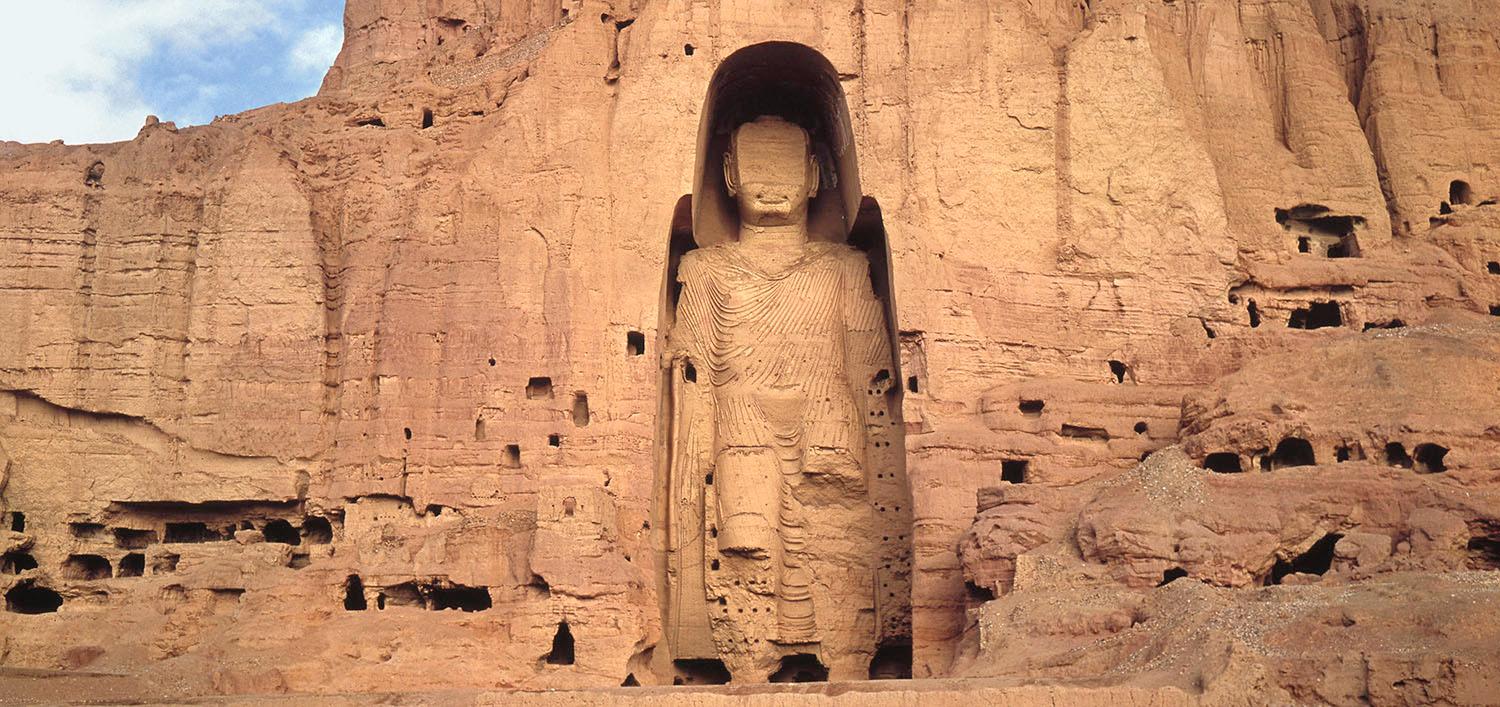
Bamyan is a breathtaking province known for its rich history, stunning landscapes, and unique cultural heritage. Famous worldwide for the ancient Buddhas of Bamyan and its pristine Band-e Amir National Park, Bamyan offers visitors a blend of natural beauty and historical significance.
Bamyan is home to the famous ancient Buddha statues, carved into cliffs centuries ago, symbolizing its past as a center of Buddhist culture. The region's caves, monasteries, and archaeological sites attract historians and travelers alike, eager to explore Afghanistan’s diverse heritage.
Band-e Amir is Afghanistan's first national park, featuring stunning turquoise lakes separated by natural dams. Visitors can hike, picnic, and enjoy the breathtaking scenery surrounded by rugged mountains and clear blue waters.
With its snowy peaks, Bamyan has become a growing hub for winter sports, especially skiing and snowboarding. The Winter Ski Festival attracts locals and tourists for fun competitions, cultural performances, and seasonal celebrations.
Bamyan offers excellent opportunities for hiking, mountain biking, rock climbing, and camping. The high-altitude terrain and scenic valleys provide a perfect setting for adventure seekers and nature lovers.
Visitors can enjoy traditional Hazara dishes, including hearty stews, rice dishes, and fresh bread. Bamyan is also known for its beautiful handicrafts, such as embroidered textiles and handmade pottery, reflecting the rich local culture.
Bamyan provides cozy guesthouses and homestays where travelers experience warm local hospitality. Due to its altitude and climate, visitors should bring warm clothing, respect local customs, and consider hiring local guides for a safe and enriching visit.
Buddha Niches — Iconic ancient Buddhist rock carvings and niches.
Band-e Amir Lakes — Stunning turquoise lakes within Afghanistan’s first national park.
Shah Foladi Mountain — Popular mountain for hiking and trekking adventures.
Bamyan Central Market — Bustling market with traditional crafts and local foods.
Shahr-e Gholghola (City of Screams) — Historic ruined city with archaeological significance.
Dara-e Ajdahar (Dragon Valley) — Scenic valley with dramatic landscapes.
Local Villages — Experience traditional Hazara culture and handicrafts.
Bamyan Pass — Mountain pass offering breathtaking views.
Ghazni Pass — Scenic pass connecting Bamyan with neighboring provinces.
Nirkh District — Countryside known for natural beauty and local life.
Ghazni Pass — A mountain pass with beautiful views, popular among travelers.
Band-e Amir National Park Trails — Walking and trekking paths around the lakes.
Qala-e-Bamyan Fortress — Ancient fortress ruins with panoramic views.
The ideal time to visit Bamyan is from late spring to early autumn (April to October) when the weather is pleasant for trekking, sightseeing, and cultural exploration. Summers are warm but refreshing, especially near lakes and mountains, while winters are cold and snowy, attracting winter sport enthusiasts.
| Region | Central Highlands of Afghanistan |
|---|---|
| Capital of Province | Bamyan City |
| Coordinates | 34.8217° N, 67.8272° E |
| Estimated Population | Approximately 450,000 (2021 estimate) |
| Geographical Area | About 14,175 square kilometers |
| Districts | 9 districts |
| Major Religions | Islam (primarily Shia and Sunni) |
| Ethnic Groups | Hazara, Tajik, Pashtun, and others |
| Languages Spoken | Dari (Persian), Hazaragi, Pashto |
| Province Animal Symbol | Snow Leopard |
| Province Flower | Wild Iris |
| Province Bird | Lammergeier (Bearded Vulture) |
| Province Tree | Juniper and Wild Walnut |
| Traditional Dance | Hazara Attan |
| Popular Sports | Football, Horse Racing |
| Major Tourist Areas | Buddha Niches, Band-e Amir National Park, Shah Foladi Mountains, Bamyan Valley |
| Major Attractions | Ancient Buddhist ruins, Natural lakes, Mountain trekking, Cultural festivals |
Months: March to May
Temperature: 5°C to 18°C
Spring reveals Bamyan's blooming meadows and flowing rivers, perfect for trekking and exploring ancient sites.
Months: June to August
Temperature: 15°C to 28°C
Summer offers warm days ideal for hiking to Buddha niches and enjoying festivals and cultural events.
Months: September to November
Temperature: 4°C to 15°C
Autumn colors the valley with gold and crimson, offering cool weather for cultural tours and outdoor adventures.
No tourist attractions found in this province.
Bamyan has its own airport, Bamyan Airport, connecting with domestic flights. From there, road travel takes you to local destinations.
Bamyan is accessible by road from Kabul and other provinces. Roads vary in condition, so travel times depend on weather and security.
There are currently no train services to Bamyan; travelers primarily use air and road transport.
The best time to visit Bamyan is spring (April to June) and autumn (September to October), when the weather is pleasant and ideal for exploring natural attractions.
You can reach Bamyan by road from Kabul or nearby provinces. Bamyan has a small domestic airport with limited flights, so road travel is more common.
Top attractions include the Buddhas of Bamyan niches, Band-e Amir National Park, Shahr-e Gholghola (City of Screams), and Dara-e Ajdahar (Valley of the Dragon).
Bamyan is considered relatively safe compared to other provinces, but it's essential to stay updated on travel advisories and local guidance.
Yes, most travelers will need a visa to enter Afghanistan. Check with your local Afghan embassy or consulate for the most recent requirements.
Dari is the primary language spoken in Bamyan. Some people may also speak Pashto and basic English.
Dress modestly. Men should wear long trousers and shirts; women should wear long dresses and cover their hair with a scarf, especially in public or religious places.
Bamyan cuisine includes traditional Afghan dishes such as kabuli pulao, ashak (dumplings), mantu, kebabs, and locally grown potatoes and dairy products.
No, credit cards are not commonly accepted. It is best to carry Afghan Afghani in cash for all transactions.
Bamyan has a variety of accommodation options including guesthouses, eco-lodges, and boutique hotels. Most are located in and around Bamyan city. Lodging ranges from basic to mid-range comfort.
Because Bamyan is a popular destination, it’s best to book in advance during tourist seasons. Check reviews and consult locals for safe, clean, and accessible options.
Visit the famous Buddha niches of Bamyan Valley, a UNESCO World Heritage Site, and explore Shahr-e Gholghola (City of Screams) and Shahr-e Zuhak (Red City) for ancient fortress ruins.
Tourists also enjoy trekking in Band-e Amir National Park, Afghanistan’s first national park, known for its beautiful blue lakes surrounded by cliffs.
Cultural experiences include meeting Hazara communities, shopping for handicrafts, and enjoying the region’s peaceful, scenic beauty.
If you cannot find an answer in our FAQ, you can always contact us. We will respond shortly!