 ENG
ENG
 ARA
ARA
 FRA
FRA
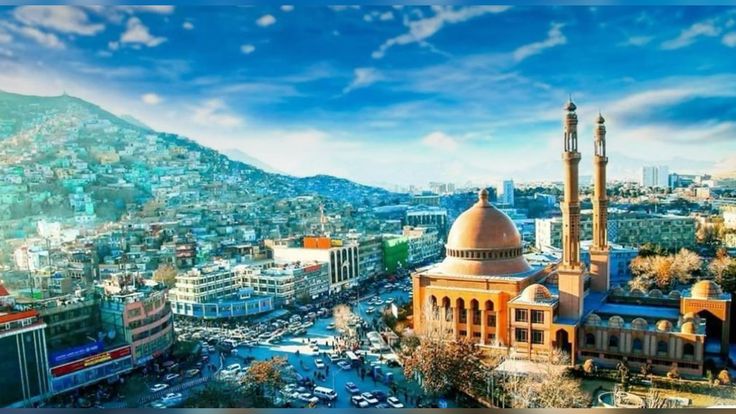
Why Shop in Afghanistan?
Afghan markets are living museums—lanes of color, the ring of metalwork, the fragrance of saffron and cardamom. You don't just buy an object; you meet the maker, hear the story, sip tea, and bargain with a smile.
Afghan markets are living museums—lanes of color, the ring of metalwork, the fragrance of saffron and cardamom. You don't just buy an object; you meet the maker, hear the story, sip tea, and bargain with a smile.
Explore the vibrant markets and artisan workshops across the country

Mandawi & Chicken Street: carpets, jewelry, antiques-style curios, leather, books, handicrafts.

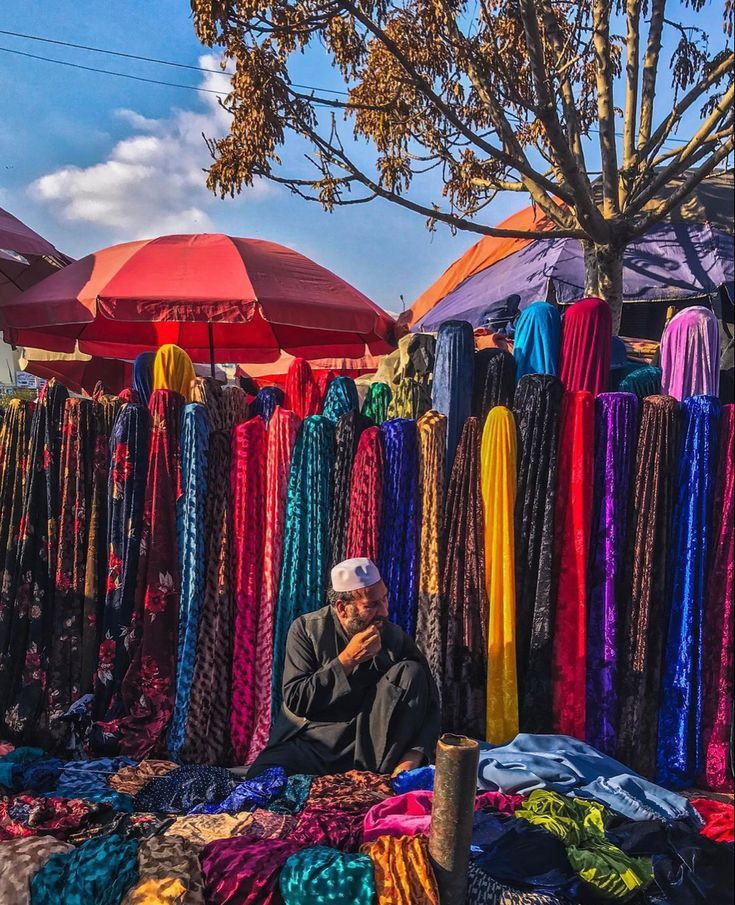
Blue Mosque bazaar for embroidered textiles, lapis trinkets, dried fruits, traditional hats.
Mosque-side workshops for wood latticework, miniature painting, saffron and glassware vendors.

Band-e Amir & valley stalls: hand-knits, village weaves, natural-dye scarves.
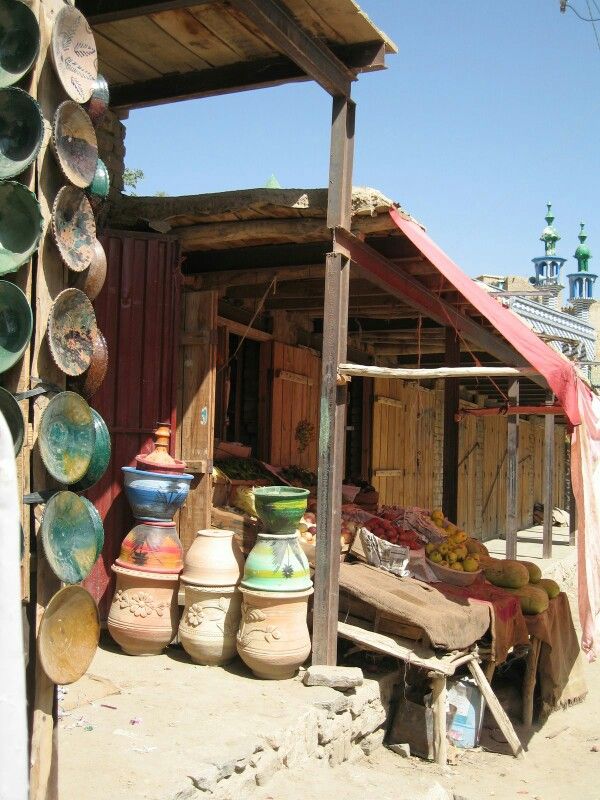
Famous pottery village: turquoise/earth-tone bowls, plates, and vases.
.jpeg)
Pomegranates in season, leather goods, tribal jewelry.
Traditional crafts and how to identify quality items
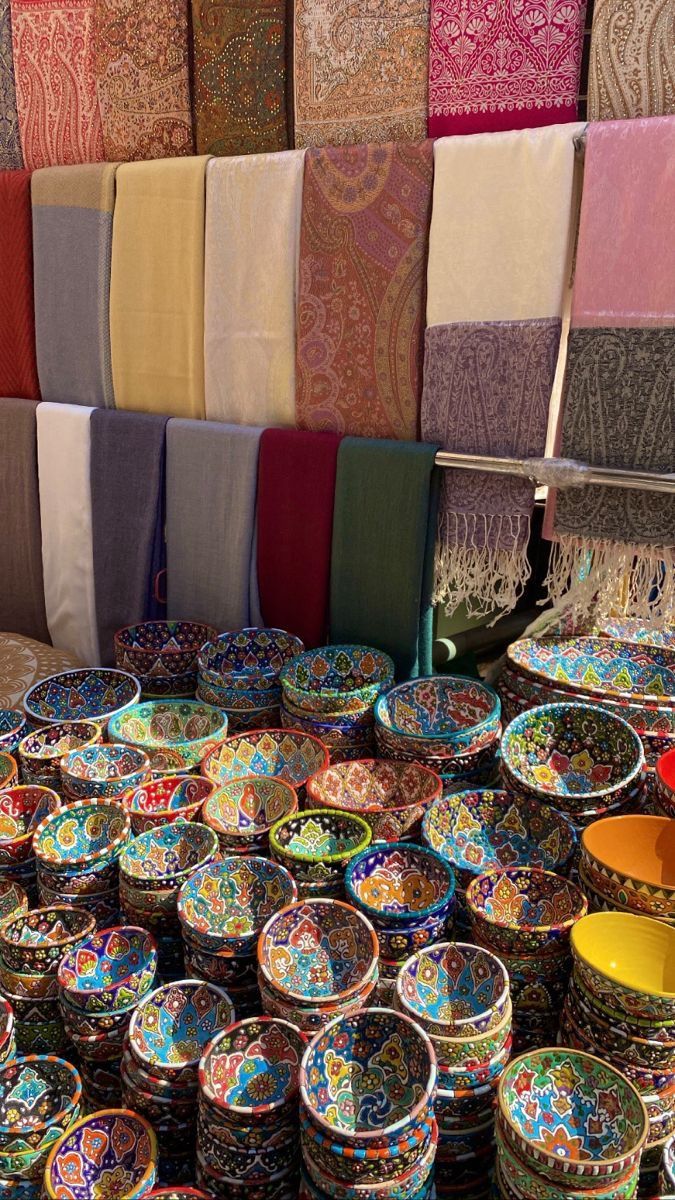
Look for: Tight, even knots; natural dyes; clear motifs; firm edges.
Ask about: Origin, wool type, knot count, dye process.
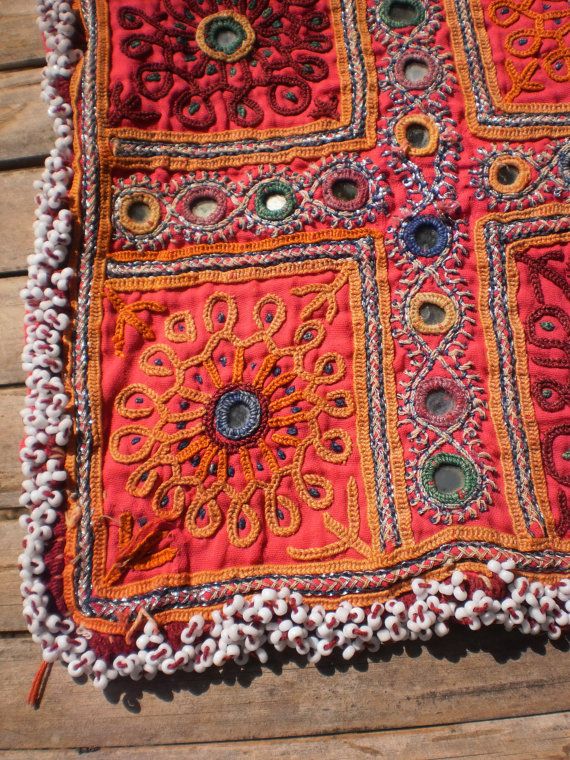
Suzani covers, Kuchi beadwork, Pashtun and Hazara motifs.
Check stitching on the back—neat = better quality.
.jpeg)
Lapis lazuli (Badakhshan), carnelian, onyx; filigree silver, engraved brass trays.
Verify stones, ask for weight and metal details.
.jpeg)
Hand-thrown pieces; minor glaze variations are normal.
Tap lightly—clear ring suggests good firing.
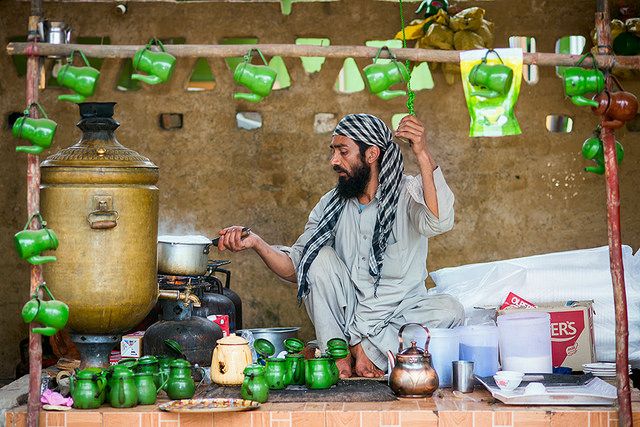
Saffron threads (deep red, dry, brittle), green/black tea, cumin, coriander, dried mint.
Buy sealed or from trusted sellers.
.jpeg)
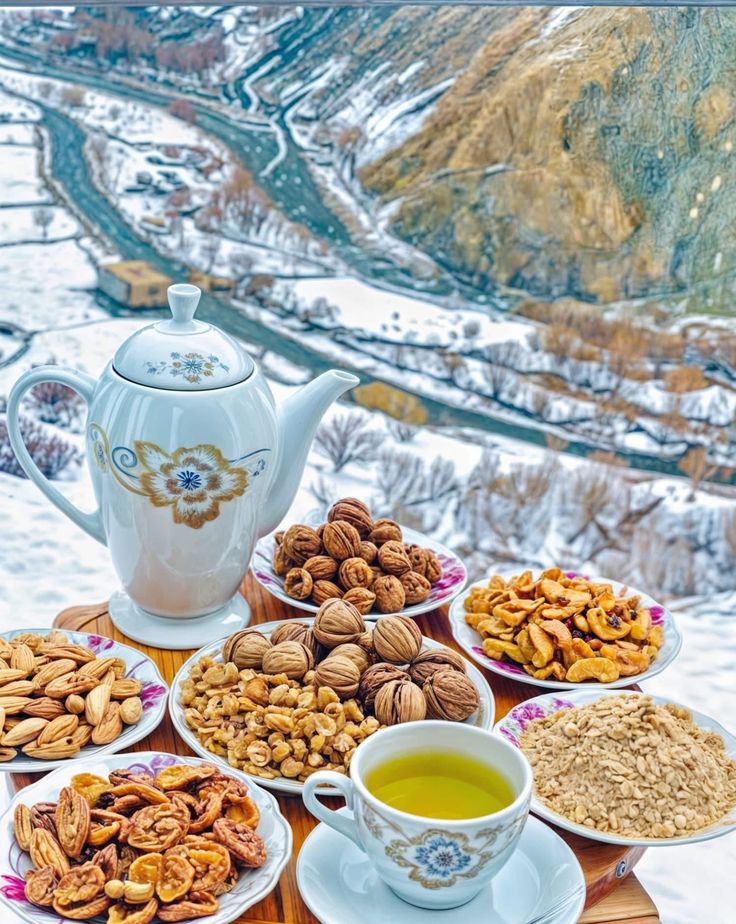
Raisins, mulberries, pistachios, almonds.
Taste first; choose clean, evenly sized produce.
Cultural tips for a respectful shopping experience
Useful expressions for market interactions
Immerse yourself in Afghan crafts and culture

Kabul/Herat/Mazar - Meet artisans, sample nuts and sweets, learn to bargain gracefully.
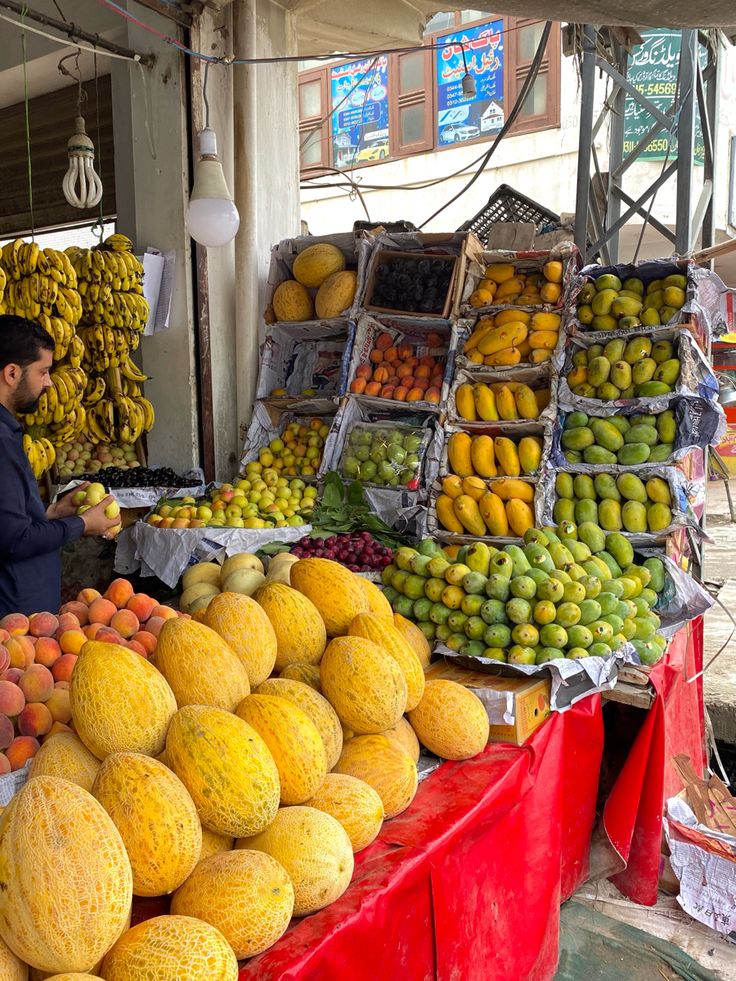
Workshop visit to see wool dyeing and knotting; learn motifs, quality checks, and care.
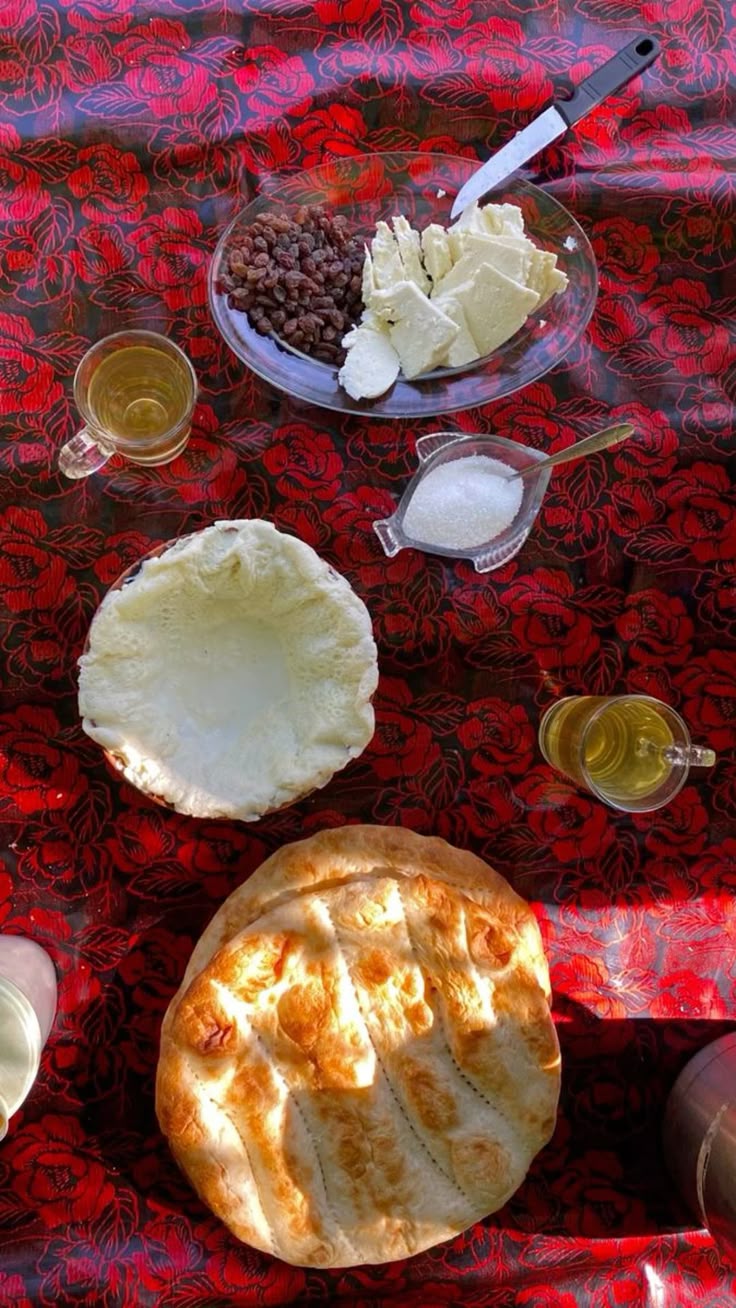
Throw a pot with a master, glaze your piece, picnic in the orchards.
A visual journey through Afghanistan's vibrant markets
.jpeg)
.jpeg)
.jpeg)

.jpeg)