
 ENG
ENG
 ARA
ARA
 FRA
FRA
Afghan Culinary Journey
Discover the rich tapestry of flavors that define Afghanistan's diverse regional cuisines and centuries-old culinary traditions
Explore CuisineWhat Makes Afghan Food Unique
Afghan cuisine is herb-forward, fragrant (not fiery), and built around rice, bread, yogurt, and seasonal produce. Spices like cumin, coriander, black pepper, cardamom, and saffron add warmth rather than heat.
Hospitality is the heart: meals are shared on a dastarkhwan (floor spread), with bread doubling as a utensil.
Herb-Forward
Fresh herbs are central to Afghan cooking, providing vibrant flavors and aromas.
Shared Dining
Meals are communal experiences, often enjoyed from a shared platter on the floor.
Warm Spices
Spices are used to create depth and warmth rather than intense heat.
Signature Dishes
Explore the most beloved dishes in Afghan cuisine
Kabuli/Qabuli Palaw (قابلی پلو)
Long-grain rice steamed with lamb or beef, carrots, and raisins; the national dish.
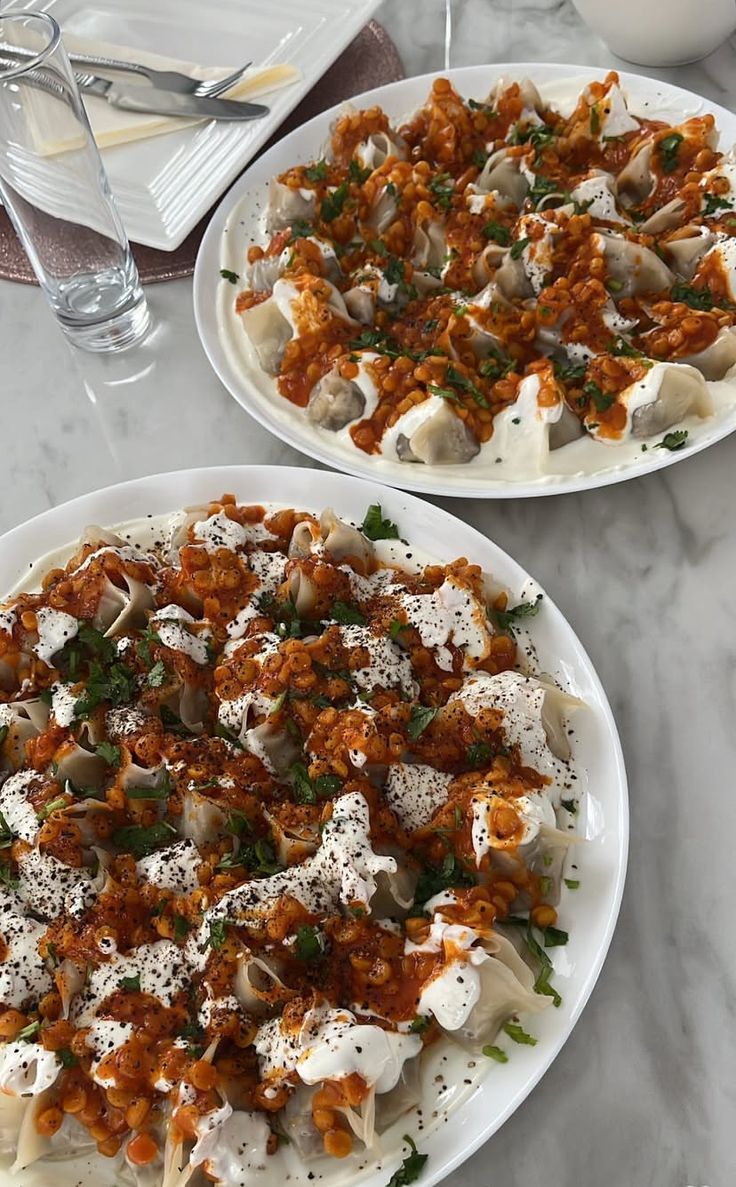
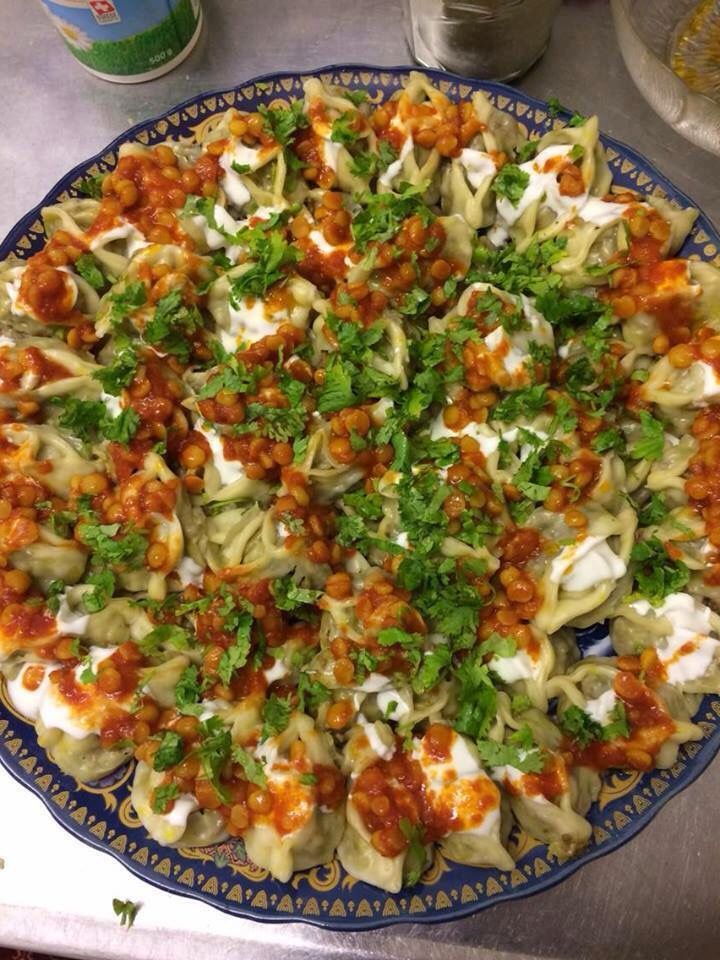
Mantu (منتو)
Delicate steamed dumplings (usually beef/onion) topped with garlic yogurt and a split-pea tomato sauce.

Bolani (بولانی)
Griddled flatbread stuffed with potato, leeks/chives, pumpkin, or lentils; the go-to street snack.

Chapli Kebab (چپلی کباب)
Spiced, shallow-fried patties with tomato, onion, and coriander, popular in the east.
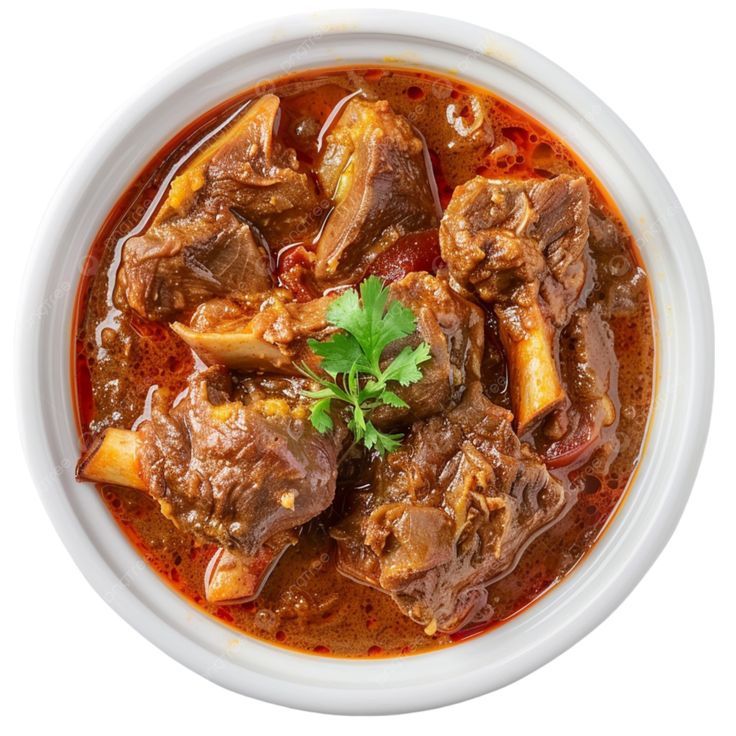
Qorma (قورمه)
Slow-cooked stews (e.g., meat, spinach, pumpkin, eggplant) served with rice or naan.
Ashak (آشک)
Chive-filled dumplings finished with yogurt and a light meat or lentil sauce—great vegetarian option.
The Breads (نان)
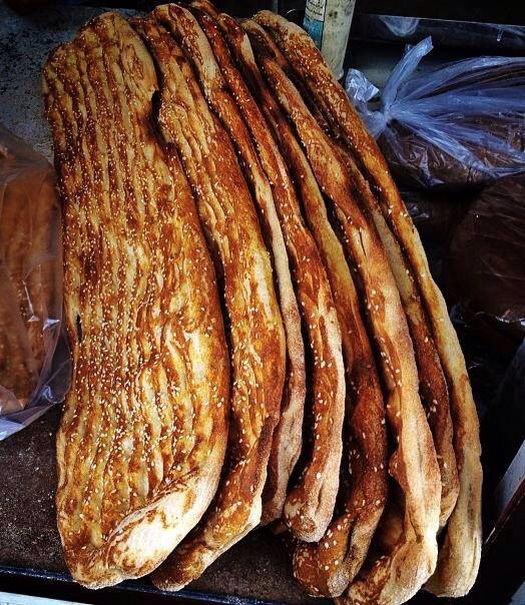
Afghan meals revolve around the tandoor oven, which produces various types of bread:
- Naan-e Afghani - The staple flatbread
- Roghani - Enriched with oils and sometimes milk
- Lavash/Chapati - Thin, unleavened bread
- Kulcha - Sweet cookies or biscuits for tea
Sweets & Tea Culture
Traditional Sweets
- Sheer Khurma (شیر خرما) - Eid vermicelli dessert with dates & nuts
- Ferni (فرنی) - Silky milk custard
- Sheer Berenj (شیر برنج) - Rice pudding
- Haft Mewa (هفت میوه) - New Year's seven-fruit compote
- Jalebi/Zoolbia - Sweet syrupy treats found in markets
Tea & Beverages
- Chai Sabz - Green tea, constantly served throughout the day
- Chai Siyah - Black tea
- Doogh - Salted yogurt drink with mint (summer favorite)
- Sharbat - Sweet fruit-based drinks
Regional Taste Map
Kabul & Parwan (Central)
Urban kebab houses, mantu/ashak, bakery culture, grape & mulberry season.
Herat (West)
Saffron fields, pistachios, raisins; Persian influences and fragrant rice dishes.
Kandahar (South)
Legendary pomegranates, sweet melons, and rich rice dishes; roadside tikka grills.
Bamyan & Daykundi (Highlands)
Dairy (qaymaq/cream), potatoes, herb-rich stews; hearty winter fare.
Nangarhar & Kunar (East)
Chapli kebab culture, citrus, and fresh herbs along river valleys.
Mazar-e-Sharif & Balkh (North)
Wheat and grape country; kulcha bakeries, dried fruits, winter buzkashi feasts.
Dining Etiquette & Tips
Greetings
Greet with "Salaam alaikum"; place a hand on your heart as a sign of respect.
Seating
Shoes off if invited to sit on carpets; always eat with the right hand; use bread to scoop food.
Tea Culture
Always accept tea; even a small sip honors the host. Tea is constantly served throughout the day.
Photography
Always ask before photographing people or inside homes to respect privacy.
Dietary Notes
Food is halal by default; pork and alcohol are absent. Common allergens include gluten, dairy, and nuts.
Useful Phrases
"Bedoon-e gosht" (without meat), "Bedoon-e maghz/badam" (without nuts), "Lactose nadāram" (I don't take milk/dairy).
Seasonal Flavor Calendar
Spring
(Mar–May)
Fresh herbs, dill rice, broad beans, mulberries.
Summer
(Jun–Aug)
Melons (Herat/Kandahar), apricots, cherries, ashak with garden chives.
Autumn
(Sep–Nov)
Pomegranates (Kandahar), grapes (Parwan) → raisins, saffron harvest (Herat).
Winter
(Dec–Feb)
Slow stews, palaw feasts, nuts and dried fruits.
Hands-on Experiences
Kabul Street Eats
Bolani griddle, kebab alley, bakery tour (naan & kulcha).
Herat Saffron Workshop
Seasonal experience from flower to stigma, then saffron-infused rice tasting.
Bamyan Home Kitchen
Make mantu/ashak, churn yogurt, breakfast with qaymaq & honey.
Kandahar Pomegranate Farm
Autumn orchard walk, juice pressing, palaw pairing.
Istalif Pottery & Lunch
Throw a pot, then enjoy pumpkin kadoo borani and doogh.
Festive Table Class
Qabuli palaw from scratch + char-masala blending + tea ceremony.
Sample 1-Day Tasting Trail (Kabul)
Morning
Bread bakery & chai → Bolani stand → spice shop (char-masala)
Lunch
Mantu with yogurt & lentil sauce
Afternoon
Dried-fruit bazaar tasting (raisins, mulberries, nuts)
Dinner
Charcoal kebab & Qabuli Palaw; finish with Ferni and green tea